
Last updated August 25, 2026
Free on-site gate assessment - hinges, posts, and your LiftMaster or Nice gate operator checked before anything is quoted
The assessment is free and the quote is the invoice.
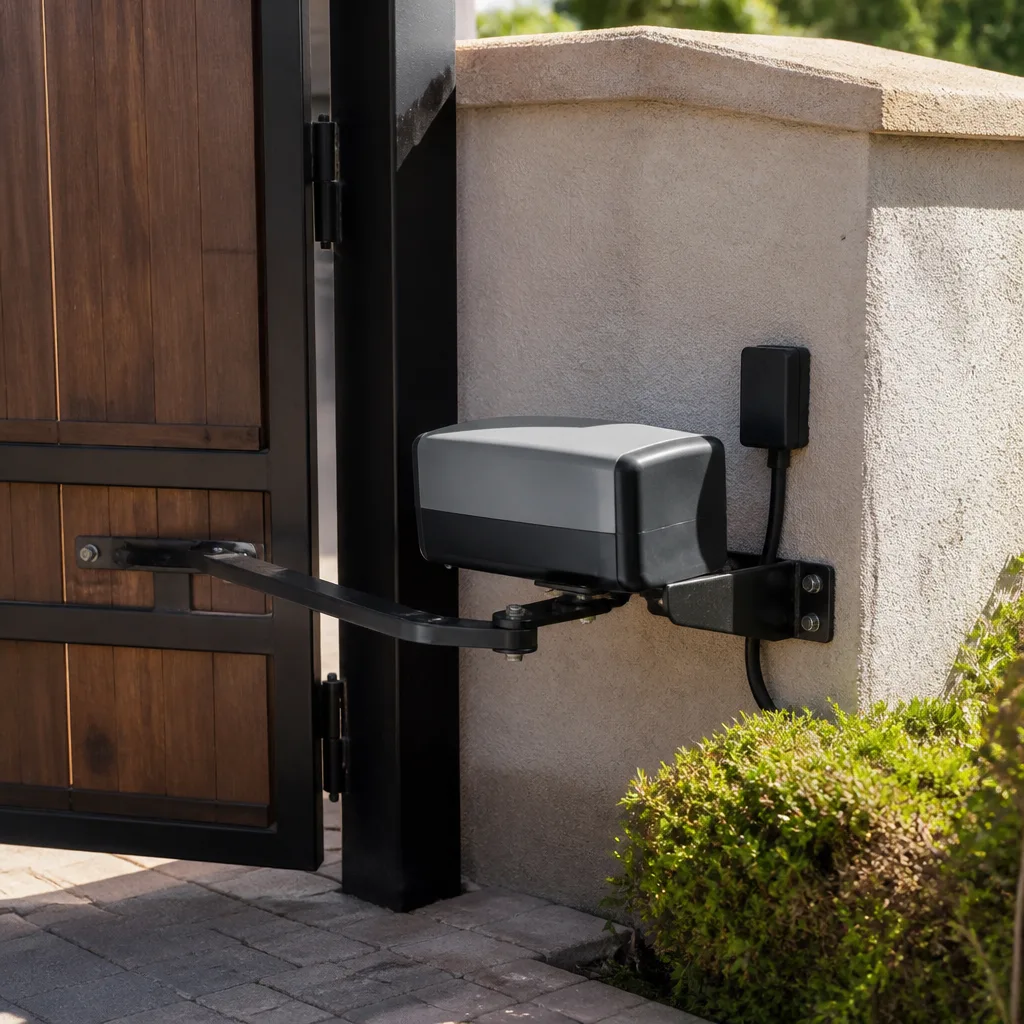
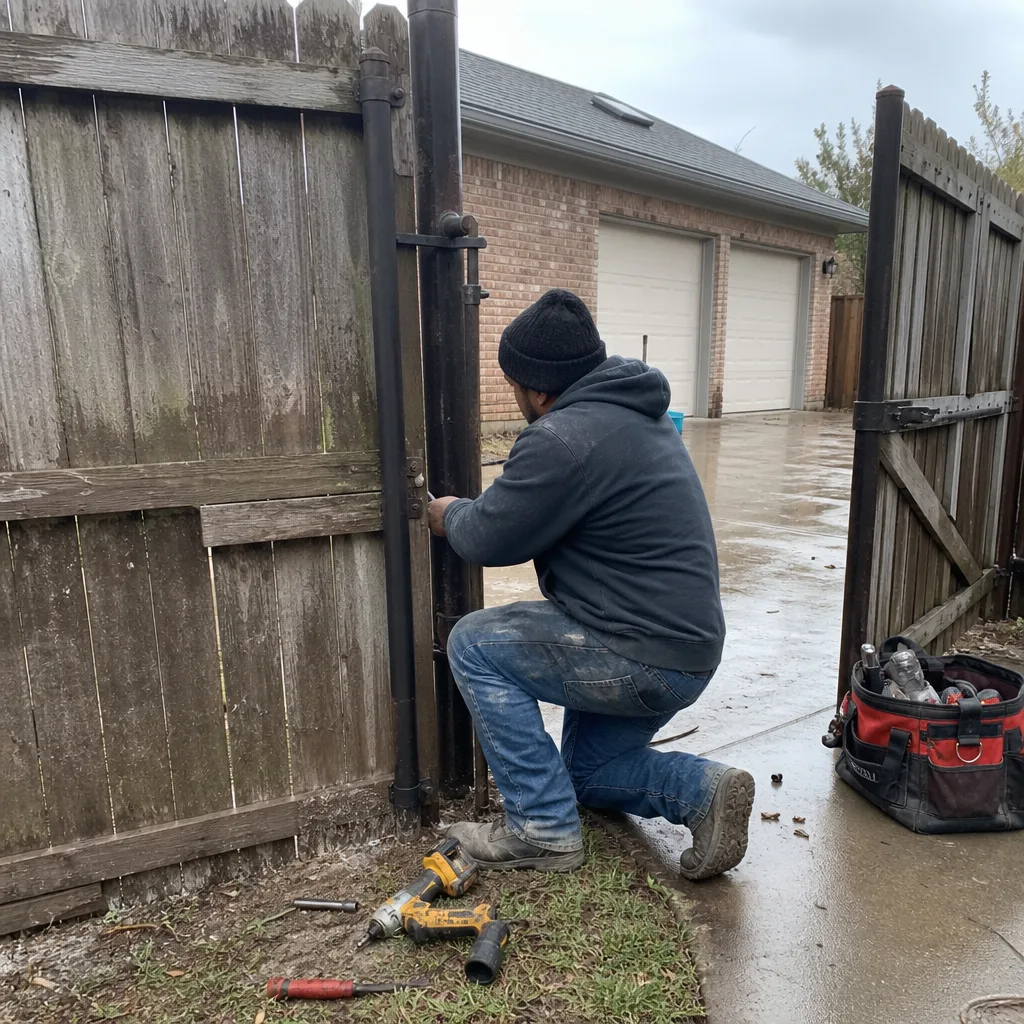 Before
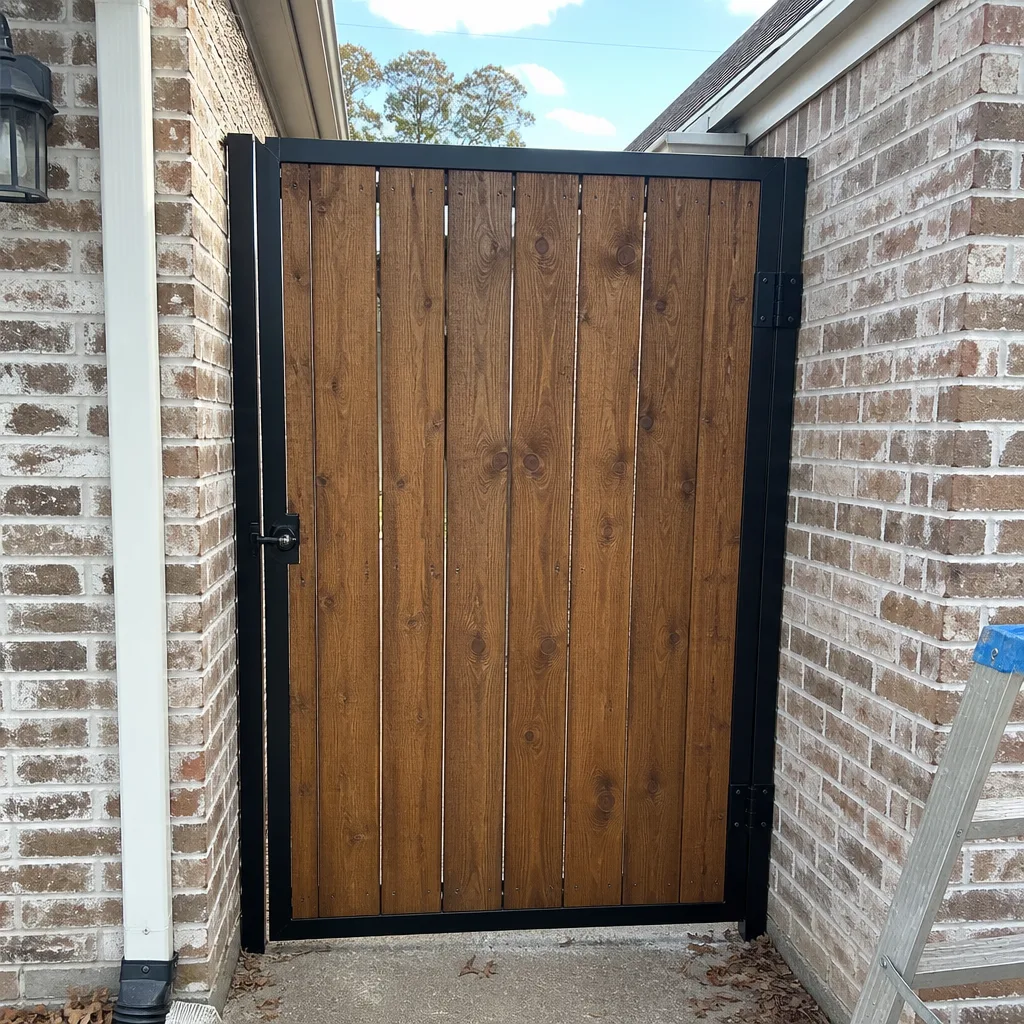 After
After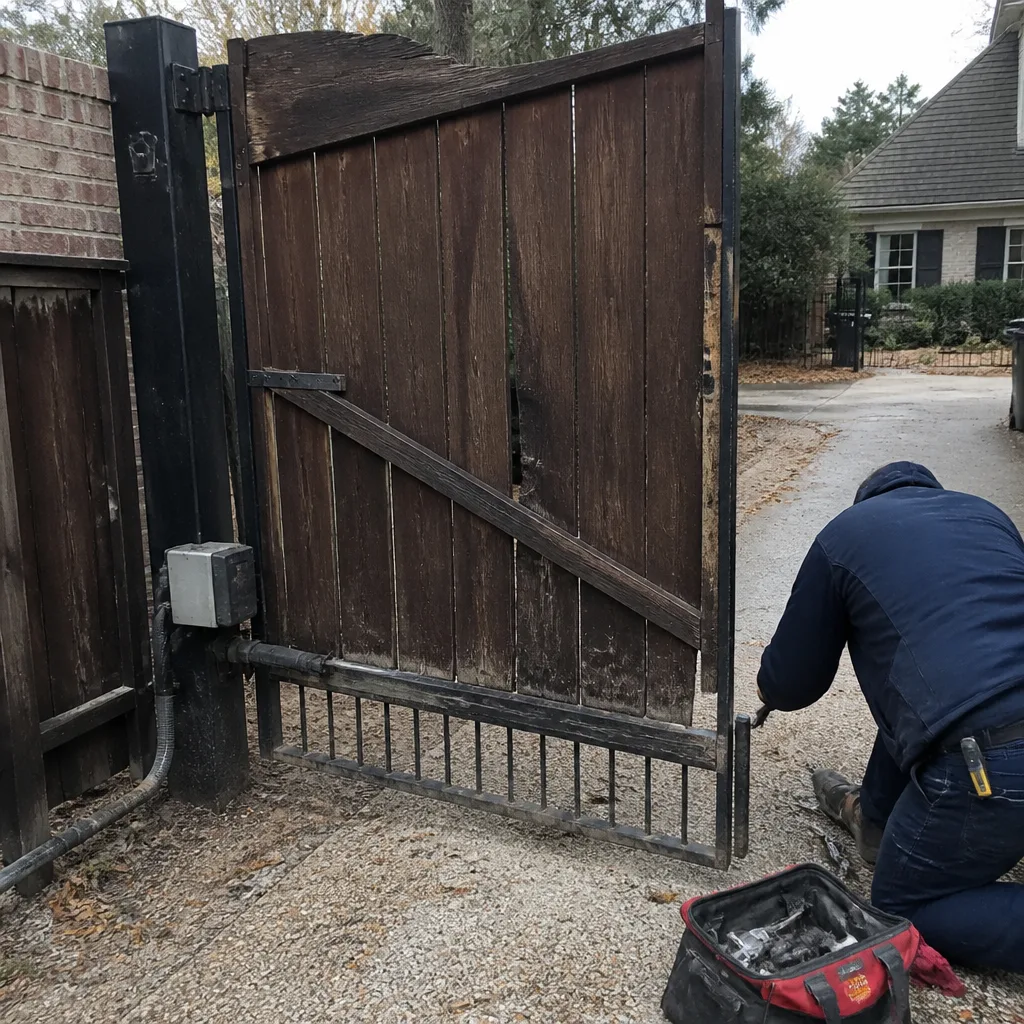 Before
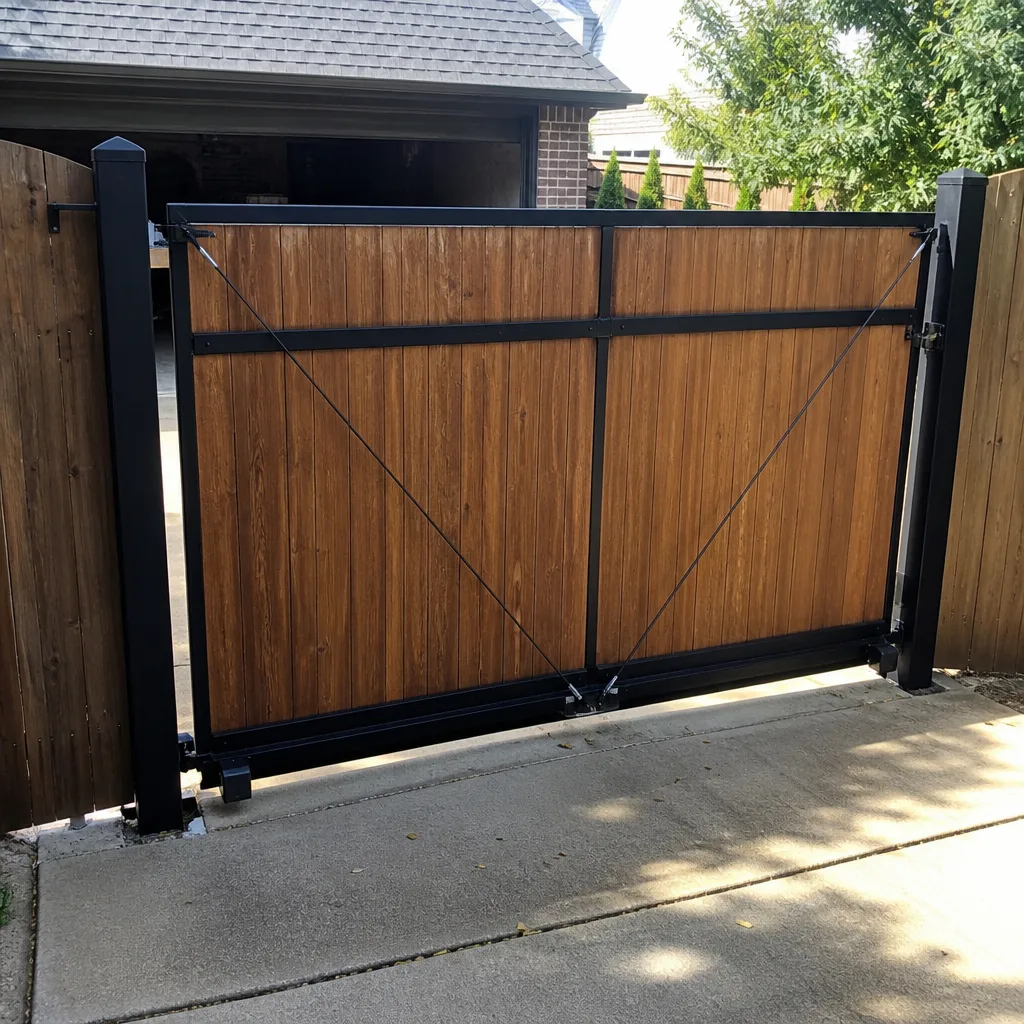 After
After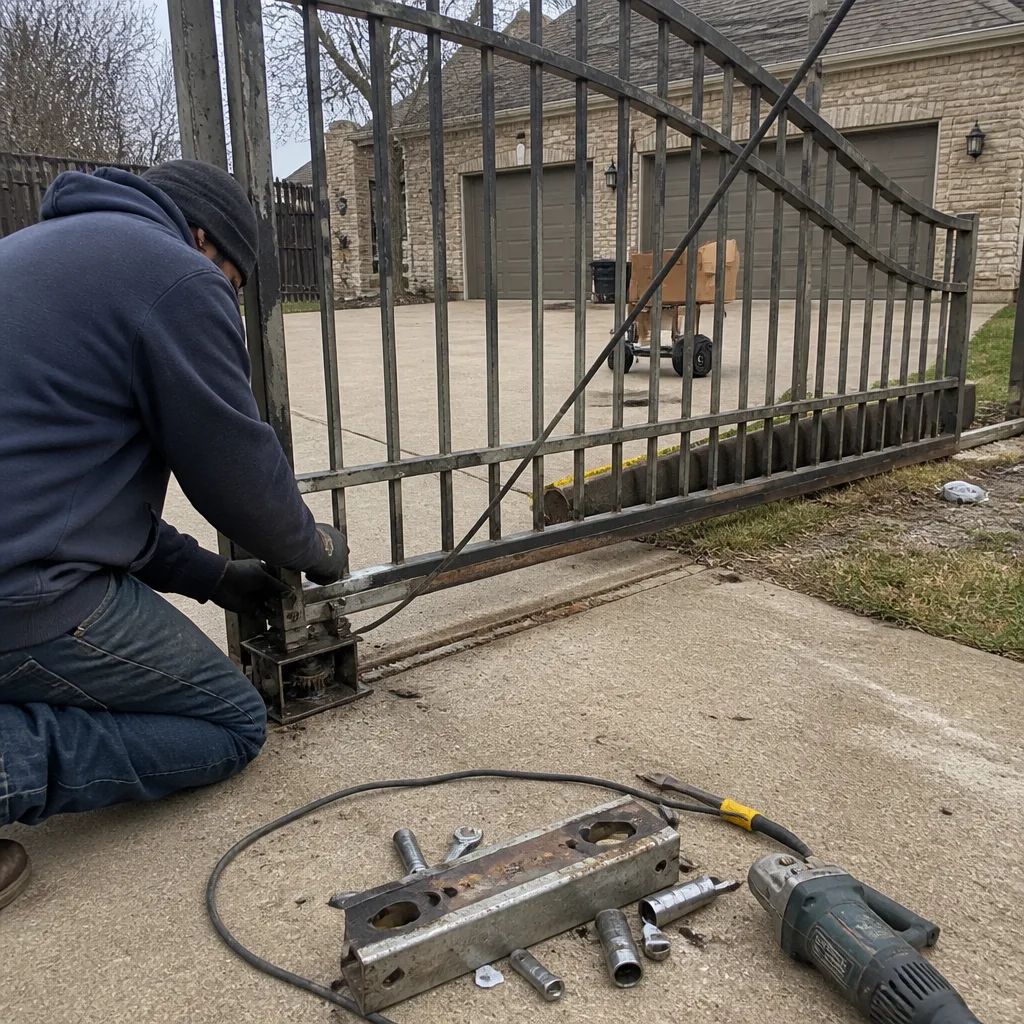 Before
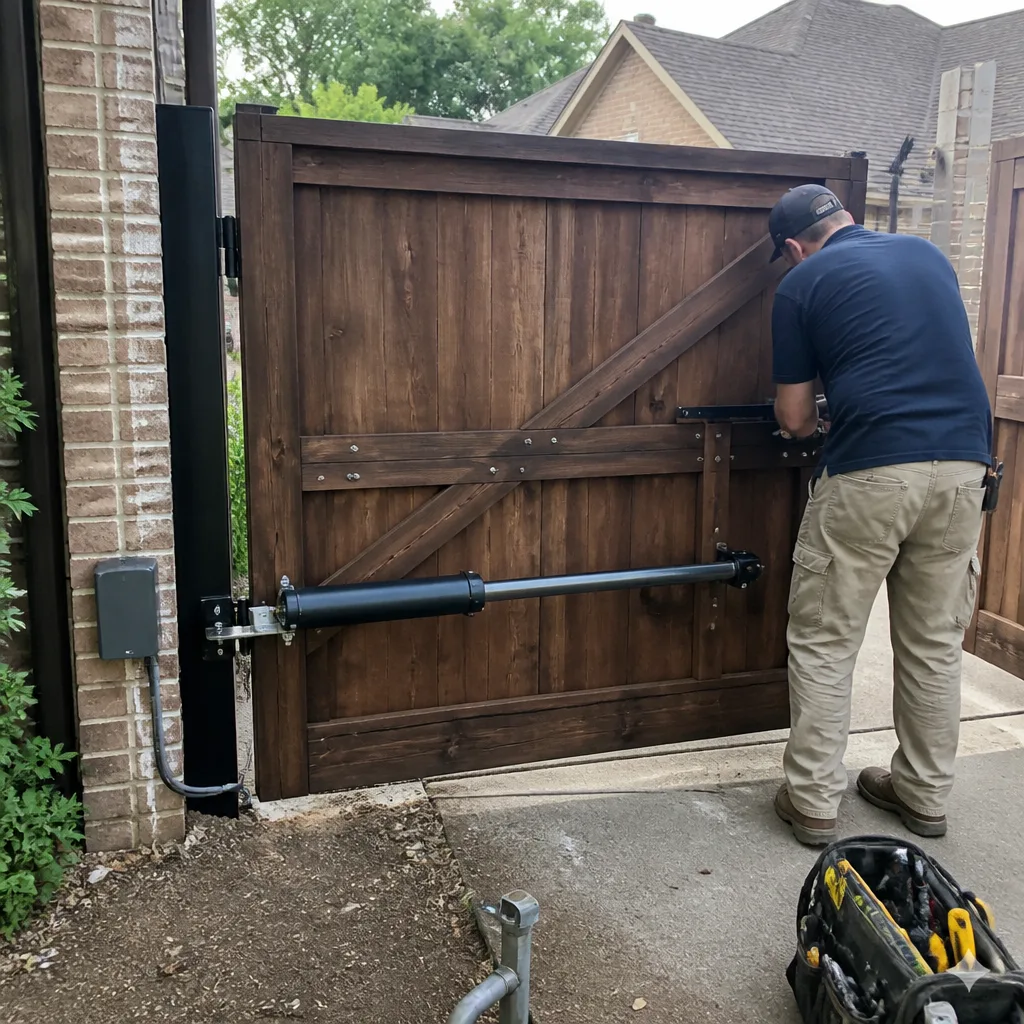 After
AfterSeasonal Gate Repair Care for McKinney: Year-Round Homeowner’s Guide
Most McKinney homeowners don’t think about their driveway gate until the morning it refuses to open. That’s understandable. A gate that has worked quietly for fifteen years is easy to forget. But here’s the counterintuitive part: the gates that fail without warning are almost never the ones that got regular attention. They’re the ones that were ignored. McKinney’s climate, with its freeze-thaw cycles in winter and triple-digit stretches in summer, puts specific stress on gate hardware year-round. This guide covers what to check each season, what a homeowner can safely do, what should be left to a professional, and what fair pricing looks like in McKinney. By the end, you’ll know how to keep your gate working like the day it was installed and when to pick up the phone before a minor adjustment becomes a $1,400 repair.
Quick Answer
The most important seasonal gate care in McKinney is lubrication of hinges and rollers in spring and fall, checking chain tension and gear alignment before the first freeze, and clearing the track and wheel path of debris after winter storms. A professional seasonal tune-up in McKinney typically costs $89 to $180 and catches most failures before they strand a vehicle in the driveway.
Table of Contents
- Why McKinney’s Climate Is Hard on Gates
- Spring Gate Maintenance: Recovering from Freeze-Thaw
- Summer Gate Maintenance: Heat, Gears, and Motor Strain
- Fall Gate Maintenance: Prepping for North Texas Cold Snaps
- Winter Gate Maintenance: Freeze Response and Emergency Prep
- Monthly Checks Every McKinney Homeowner Should Do
- What a Seasonal Tune-Up Costs in McKinney
- Common Mistakes to Avoid
- When to Call a Professional
- Frequently Asked Questions
- The Bottom Line
Why McKinney’s Climate Is Hard on Gates
McKinney sits in a climate band that alternates between soaking wet springs, furnace-hot summers, and the occasional hard freeze that drops temperatures into the teens overnight. That combination is uniquely hard on gate hardware. Soil in Collin County, particularly in neighborhoods like Stonebridge Ranch and Eldorado, is heavy clay that expands when wet and contracts when dry. That movement shifts gate posts subtly over time. A post that moves a quarter-inch changes the angle of the gate, which throws off hinge alignment, binds the latch, and forces the opener motor to work harder than it was designed to.
In our experience, the two seasonal failure points we see most often in McKinney are opener gears stripping during summer heat and chain tension snapping after a winter cold snap. Both are preventable with a seasonal inspection that costs far less than the repair. Heat is the silent killer of gate motors. When outdoor temperatures climb past 100 degrees, the motor housing on a black metal gate can reach 140 degrees or more. Grease breaks down. Plastic gears soften. Capacitors fail.
The freeze-thaw cycle does something different. Water gets into hinge pins, chain links, and the track channel. When it freezes, it expands. That expansion forces gaps into seals, cracks weld points, and makes chains run rough. Then it thaws, and the water carries rust into the freshly opened gaps. Over ten or fifteen years, a McKinney gate endures hundreds of these cycles. That’s why a gate that performed flawlessly in a coastal climate might start failing after five years here.
Spring Gate Maintenance: Recovering from Freeze-Thaw
Spring is the most important season for gate maintenance in McKinney. By March, the gate has made it through the last freeze and is about to start its heaviest use cycle of the year, with kids home for spring break, landscaping crews coming and going, and pool season starting. The spring checklist below addresses the specific damage winter does to North Texas gates.
- Inspect and lubricate hinge pins. Hinge pins take the full weight of the gate and absorb the freeze-thaw expansion. Check for rust streaks, which indicate water intrusion. Clean the pins with a wire brush and apply a heavy-duty lithium grease. Do not use WD-40. It displaces water but provides no lasting lubrication.
- Check chain tension. Cold weather causes metal chains to contract. When they contract under load, links stretch. Come spring, a chain that was adjusted tight in October may now sag enough to jump the sprocket. Look for more than half an inch of vertical play in the chain at its midpoint.
- Clear the track and rail. Spring storms wash gravel, mulch, and leaves into the track channel. A single pebble wedged in the rail can bind the wheels and cause the opener to reverse or stall.
- Test the safety edges and photo eyes. Winter moisture corrodes contacts on safety sensors. Walk in front of a closing gate to confirm it reverses immediately. If it doesn’t, stop using the automatic function until a technician checks the sensor circuit.
- Inspect welds for hairline cracks. Wrought iron and steel expand and contract with temperature. Hairline cracks often show up at the base of pickets and where horizontal rails meet vertical posts. Early spring is the time to catch these before rust sets in and the crack widens.
In McKinney neighborhoods with mature trees, like Tucker Hill and Adriatica, spring also means falling seed pods and pollen accumulation on gate rollers. Pollen acts like fine sandpaper inside bearing surfaces. A quick rinse with a garden hose on the mechanical components, followed by lubrication, prevents most of that wear.
The Ironworks Gate Co. home page shows the full range of gate services available if a spring inspection turns up more than you want to handle on your own.
Summer Gate Maintenance: Heat, Gears, and Motor Strain
North Texas summers are the hardest season on gate openers. McKinney regularly sees stretches of 100-degree days from late June through early September, and the heat does predictable damage to electromechanical components. Understanding what happens inside the motor helps you spot trouble early.
The two most common summer failures we see are stripped drive gears and thermal overload shutdowns. Both begin the same way: the motor is working harder than it should. Extra load comes from a gate that has gotten out of alignment over winter, hinges that were never lubricated in spring, or a chain that is too tight. When the motor works hard in high ambient heat, the internal temperature climbs past the design limit. Plastic drive gears soften. Once one tooth shears, the motor spins without moving the gate.
- Listen for a change in motor pitch. A gate opener that sounds labored, or that whines higher than it did in spring, is telling you something. The cause is usually friction somewhere in the system.
- Keep the motor housing clear. Grass clippings and mulch piled against the motor or control box trap heat. Keep at least six inches of clearance around the housing.
- Check wheel tension on hot afternoons. Metal wheels expand slightly in extreme heat. A wheel that was correctly spaced in March can bind in August. Roll the gate manually once a month in summer.
- Watch for lightning surge damage. Collin County gets frequent summer thunderstorms. A nearby lightning strike can fry a control board even with a surge protector. If your gate opener stops working the morning after a storm, check the breaker, then the control board for scorch marks or a burnt electronics smell.
Brands like LiftMaster and Mighty Mule make reliable openers, but no opener is immune to thermal stress on a 105-degree day. If your LiftMaster unit is cycling on and off without opening fully, that’s often the thermal protection circuit doing its job. It resets when the motor cools. If it happens repeatedly, the underlying cause is load, not the brand.
Fall Gate Maintenance: Prepping for North Texas Cold Snaps
Fall is the season to do the work that prevents emergency calls in January. In McKinney, the first real cold snap usually arrives by mid-November, and when temperatures drop below freezing, a gate that was marginal in October becomes a stuck gate. The freeze itself is rarely the root cause. It’s the trigger that exposes existing problems.
Here’s the fall preparation sequence, in order of priority.
- Complete a full mechanical inspection. Check every bolt, nut, hinge, and weld. Tighten loose hardware. Cold weather makes loose hardware worse because metal contracts and slip points open further.
- Lubricate all moving parts with cold-weather-rated grease. Standard grease thickens in cold weather and makes the gate sluggish. Use a synthetic grease rated to at least -20 degrees. Apply to hinge pins, chain, and rollers.
- Check chain tension at the coldest point you can. Adjust the chain so it has no more than a quarter-inch of sag at the midpoint. A too-tight chain is just as damaging as a loose one, placing constant pressure on the drive sprocket.
- Inspect the battery backup system. If your opener has a battery backup, test it by cutting power to the unit and cycling the gate once. Replace batteries older than three years. Cold weather reduces battery capacity by up to 30 percent.
- Clean the track thoroughly. Oak leaves, acorns, and pecans from McKinney’s mature trees collect in track channels through October and November. Once frozen in place, a single acorn can stop a 300-pound gate.
- Apply rust inhibitor to any exposed metal surface showing scratches or chips. Cold air carries moisture. Bare metal rusts even in winter. Touch up scratches before the first frost.
For FAAC and BFT opener owners, fall is also the time to inspect the control board enclosure for moisture intrusion. These units use sensitive circuit boards that fail when condensation builds up inside the housing. A small desiccant pack inside the enclosure, replaced each fall, prevents most of these failures.
Winter Gate Maintenance: Freeze Response and Emergency Prep
Winter in McKinney is unpredictable. Some years bring multiple hard freezes. Others bring only a few nights at 32 degrees. The problem is that even one hard freeze can damage a gate that hasn’t been prepared. In February 2021, when North Texas temperatures dropped below zero and stayed there for days, gates across Collin County failed in predictable patterns: frozen tracks, seized chains, shattered plastic rollers, and burned-out motors that kept trying to move a gate frozen solid to its track.
Here is what to do in winter, and what to avoid.
- Do not force a frozen gate. If the gate won’t move, don’t switch to manual and muscle it. The ice bond can be stronger than the gate components. Forcing it bends hinges, strips gears, and cracks rollers. Use a de-icing product on the track and wait for the ice to release.
- Keep the track channel clear of snow and ice. If we get snow, shovel the gate track before attempting to operate the gate. A half-inch of ice in the channel prevents the wheels from turning.
- Switch off the opener during extended freezes if the gate isn’t needed. This prevents the motor from attempting to open a frozen gate when someone pushes the remote. A motor that stalls repeatedly under load burns out fast.
- After a thaw, check for new problems. Water that refreezes overnight expands in hinge pins and chain links. Every thaw introduces new moisture. After a freeze-thaw cycle, run the gate through a full open-close cycle and listen for grinding, popping, or uneven movement.
One thing we hear from McKinney homeowners every winter is that their remote works, the motor hums, but the gate doesn’t move. In most cases, the drive chain is frozen to the chain guide, and the motor is spinning on a stripped gear. The correct response is to stop using the opener and call a professional. Running the motor longer just makes the repair more expensive.
Monthly Checks Every McKinney Homeowner Should Do
Between seasonal deep inspections, a 10-minute monthly check catches most problems before they become repairs. This is not a substitute for a professional tune-up. It’s the routine attention that extends the life of gate hardware by years in McKinney’s climate.
Here’s the monthly list.
- Cycle the gate fully open and fully closed once. Stand nearby and watch. Listen for grinding, clicking, squealing, or hesitation. Note where the sound comes from.
- Test the safety reverse. Put a cardboard box in the gate’s path and close it. The gate should reverse on contact or before contact. If it crushes the box, disable the automatic function and call for service.
- Inspect the wheel path. Walk the full track length. Look for rocks, hardened dirt, acorns, or anything that doesn’t belong.
- Check for loose hardware. Grab each picket near the bottom and shake gently. Any movement means a loose fastener or a broken weld.
- Look at the gate’s angle. Stand at the hinge post and sight down the top rail. A gate that’s level when open should be level when closed. If it dips or sags more than half an inch, the hinges or the post are shifting.
- Note the opener’s response time. A remote that takes two seconds longer than it used to is a sign of low battery or a control board issue. Replace the remote battery first. If the delay persists, mention it at your next tune-up.
What a Seasonal Tune-Up Costs in McKinney
Seasonal gate tune-up pricing in McKinney varies by gate type, opener brand, and the condition of the hardware. Based on the market for Collin County as of this year, here’s what homeowners can expect to pay. The $89 seasonal tune-up from Ironworks Gate Co. is priced at the entry point of the market, not marked up because of the McKinney zip code.
| Service | Typical McKinney Price Range |
|---|---|
| Basic seasonal tune-up (lubrication, tension check, safety test) | $89 to $150 |
| Tune-up plus hinge replacement (per hinge) | $180 to $320 |
| Chain replacement (includes adjustment and alignment) | $180 to $400 |
| Opener gear replacement | $250 to $450 |
| Full opener replacement (parts and labor) | $900 to $2,400 |
| Control board replacement | $300 to $650 |
Every estimate comes before any work starts. The price is quoted and agreed in writing before a single bolt is turned. That’s how it works with Ironworks Gate Co., and it’s how it should work with any contractor in McKinney. The estimates above are ranges based on the local market, and final pricing depends on the exact condition of the hardware.
Common Mistakes to Avoid
- Using WD-40 on gate hinges and chains. It displaces moisture but evaporates within days, leaving metal dry and vulnerable. Use lithium grease or a synthetic lubricant made for outdoor mechanical components.
- Adjusting chain tension without checking wheel alignment first. A sagging chain is often a symptom of a misaligned gate, not the root problem. Tightening the chain without fixing the alignment transfers extra strain to the opener motor.
- Ignoring a slow gate in the fall. In McKinney, a gate that moves sluggishly in November will be a stuck gate by January. The temperature drop of even ten degrees is enough to push a marginal system over the edge.
- Relying on a handyman for opener repairs. Gate openers from brands like LiftMaster, FAAC, BFT, Mighty Mule, and others use proprietary control boards and proprietary diagnostic codes. A generalist with a multimeter won’t have the brand-specific training to diagnose the board correctly, which leads to replaced parts that don’t fix the problem.
- Planting shrubs or trees too close to the gate track. Root systems from fast-growing North Texas trees like live oaks will push up the track over time. Keep woody plants at least three feet from the gate’s travel path.
- Disconnecting safety sensors to bypass a fault. Removing or bypassing photo eyes and safety edges puts children, pets, and delivery drivers at risk of serious injury. A gate without working safety reversal is a liability, and most homeowner policies exclude claims involving disabled safety systems.
- Postponing a seasonal tune-up to save $89. The typical opener repair in McKinney costs between $250 and $450. The typical full opener replacement starts around $900. The math on preventive maintenance works.
When to Call a Professional
Call a gate professional when you notice any of these specific conditions: the gate hesitates, jerks, or changes pitch when opening; the opener hums but the gate doesn’t move; the safety reverse doesn’t engage; there’s visible sag at the latch end; you hear grinding from the drive mechanism; or the gate has come off its track. Also call if you see sparking from the motor housing, if the control panel shows an error code you don’t recognize, or if the gate was struck by a vehicle. High-tension springs and chains carry enough stored force to cause serious injury if handled incorrectly. This is not a job for a YouTube tutorial. Ironworks Gate Co. offers free estimates in McKinney, call (430) 226-4507, and a live person answers 24 hours a day, 7 days a week.
Frequently Asked Questions
A seasonal gate tune-up in McKinney typically costs $89 to $150, depending on gate size, opener brand, and current condition. Ironworks Gate Co. charges $89 for a standard seasonal tune-up, which includes full lubrication, chain tension adjustment, safety system testing, and a written condition report. Call (430) 226-4507 to schedule, and the price is locked before any work begins.
Both. Lubricate in the fall with a cold-weather-rated synthetic grease to protect components during freezes, then lubricate again in early spring to flush out moisture and rust that accumulated over winter. Lubrication is the single highest-value maintenance task for McKinney gates because it addresses both freeze damage and heat stress.
That pattern points to thermal overload. The opener motor heats up as the ambient temperature rises through the afternoon, and a motor with worn gears, insufficient grease, or a misaligned gate will overheat and shut down. When it cools, it works again. The fix is to address the underlying load issue before the motor burns out permanently. A technician should inspect the gate alignment and gear condition.
Ironworks Gate Co. technicians are trained and equipped to service LiftMaster, FAAC, BFT, Linear, Viking, Ghost Controls, DoorKing, Elite, and Mighty Mule openers. If you own a different brand, call (430) 226-4507 and describe the unit. Many lesser-known openers use components shared with the nine major brands Ironworks services.
You can adjust hinge bolts and lubricate, but a sagging gate usually means the post has shifted in Collin County’s expansive clay soil or a weld has cracked. Shifting posts require resetting in concrete or steel post reinforcement, which is a heavy structural job. If the sag is more than half an inch at the latch end, call a professional before the gate binds or the hinges tear out.
With regular seasonal maintenance, a quality opener like a LiftMaster or FAAC should last 10 to 15 years in McKinney’s climate. Without maintenance, the same opener may fail in 5 to 8 years. The dominant causes of early failure are heat-stripped gears and lightning surge damage, both of which are reducible with proper care.
Ironworks Gate Co. offers a free second opinion on any written estimate from another contractor in McKinney. Bring the written estimate, and a technician will inspect the gate, compare the scope of work, and tell you honestly whether the proposed work is necessary, overpriced, or incomplete. Call (430) 226-4507 to set it up.
The Bottom Line
A McKinney gate that gets seasonal attention lasts twice as long as one that gets none. The work breaks down to a simple rhythm: lubricate in spring and fall, check chain tension before freezes, clear the track after storms, and test safety systems monthly. Most of this takes ten minutes. The alternative is a gate that fails on the coldest morning of the year, at the worst possible time, for a repair bill that starts at $300 and climbs from there. The $89 seasonal tune-up exists for homeowners who would rather schedule ten minutes of prevention than an emergency call. Done right, and backed in writing, that’s the whole point. Call Ironworks Gate Co. at (430) 226-4507 for a free estimate in McKinney, and a live person will answer, 24 hours a day, 7 days a week.
Written by Victor Salinas, Owner at Ironworks Gate Co., serving McKinney since 2013.