
Last updated August 25, 2026
Free on-site gate assessment - hinges, posts, and your LiftMaster or Nice gate operator checked before anything is quoted
The assessment is free and the quote is the invoice.
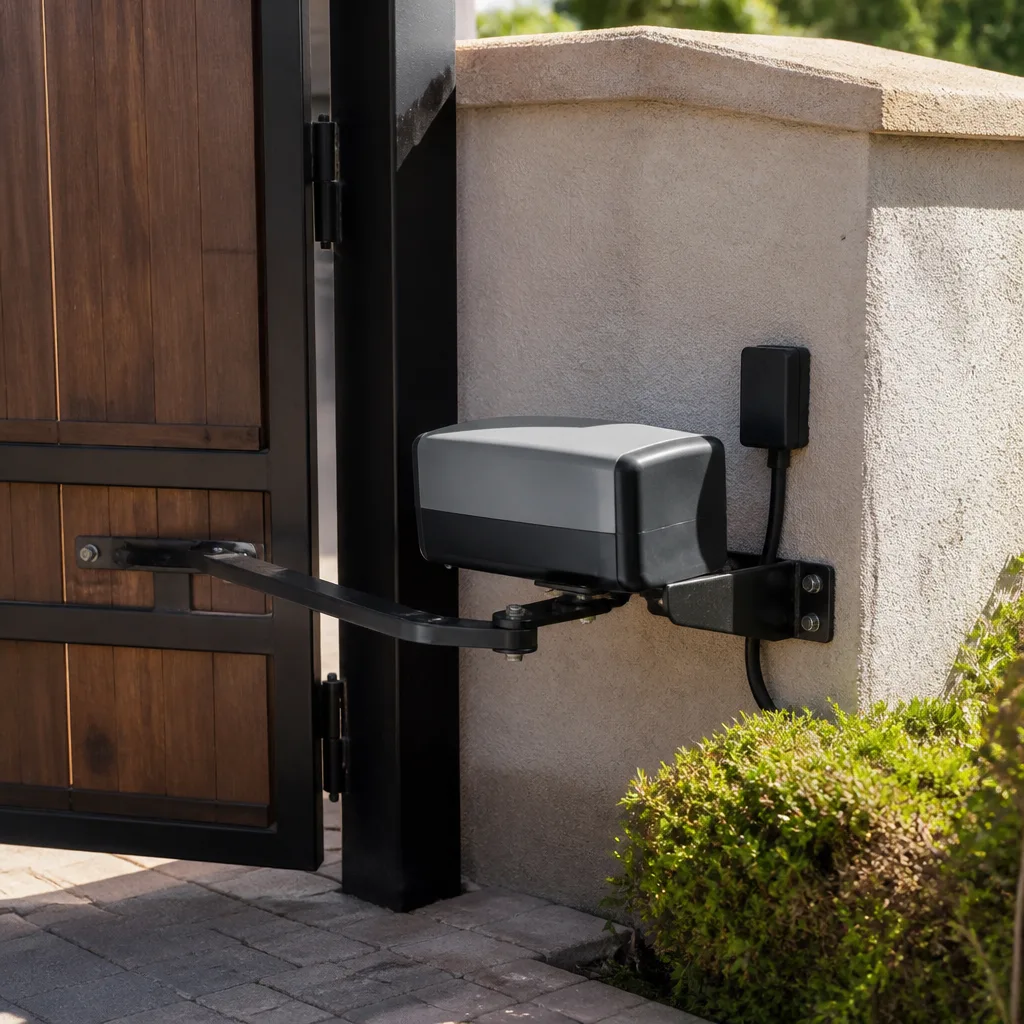
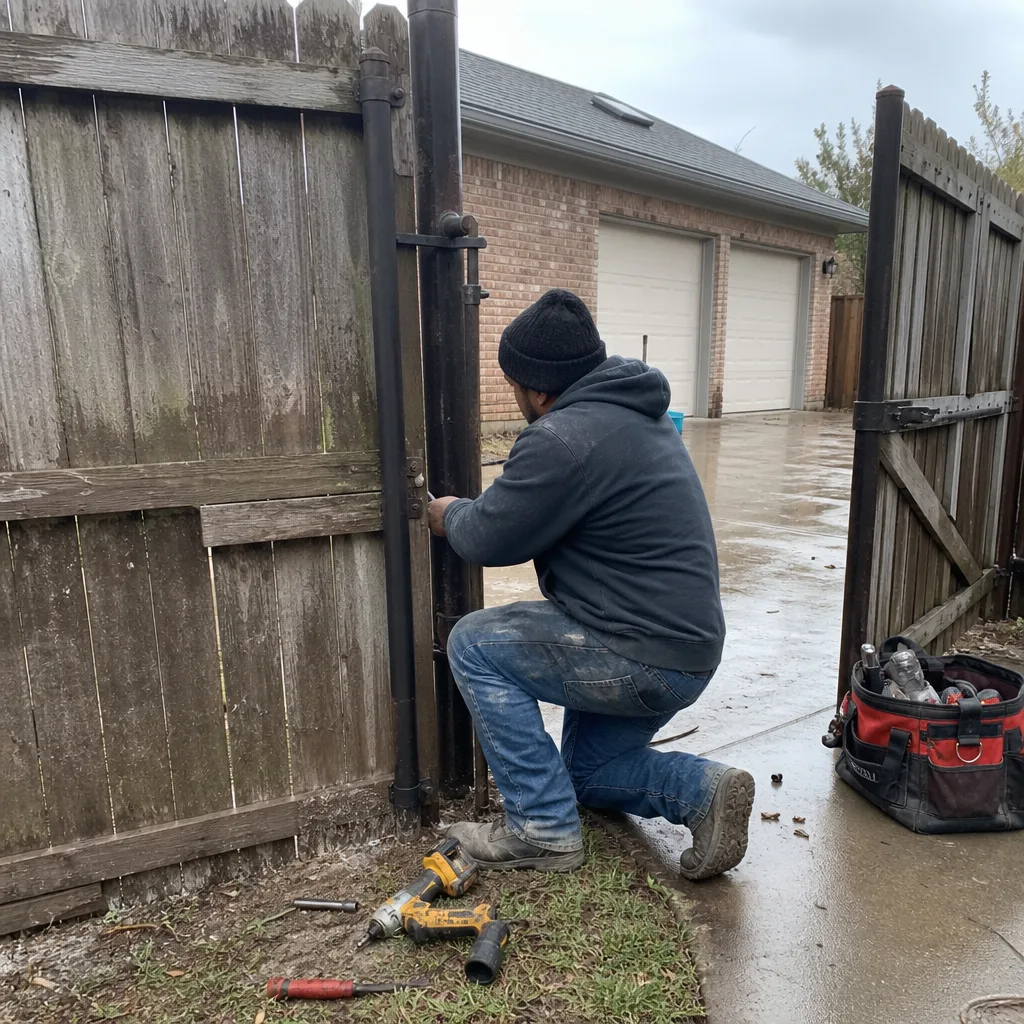 Before
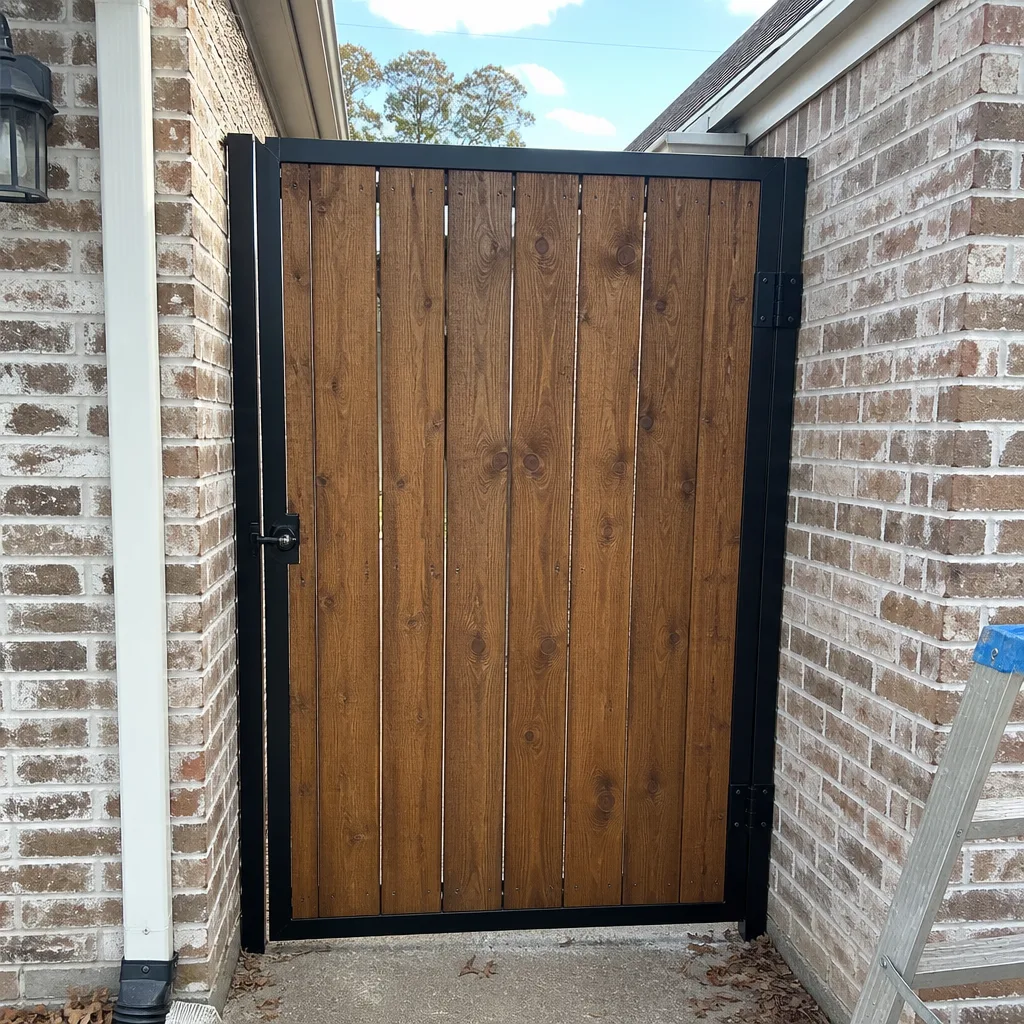 After
After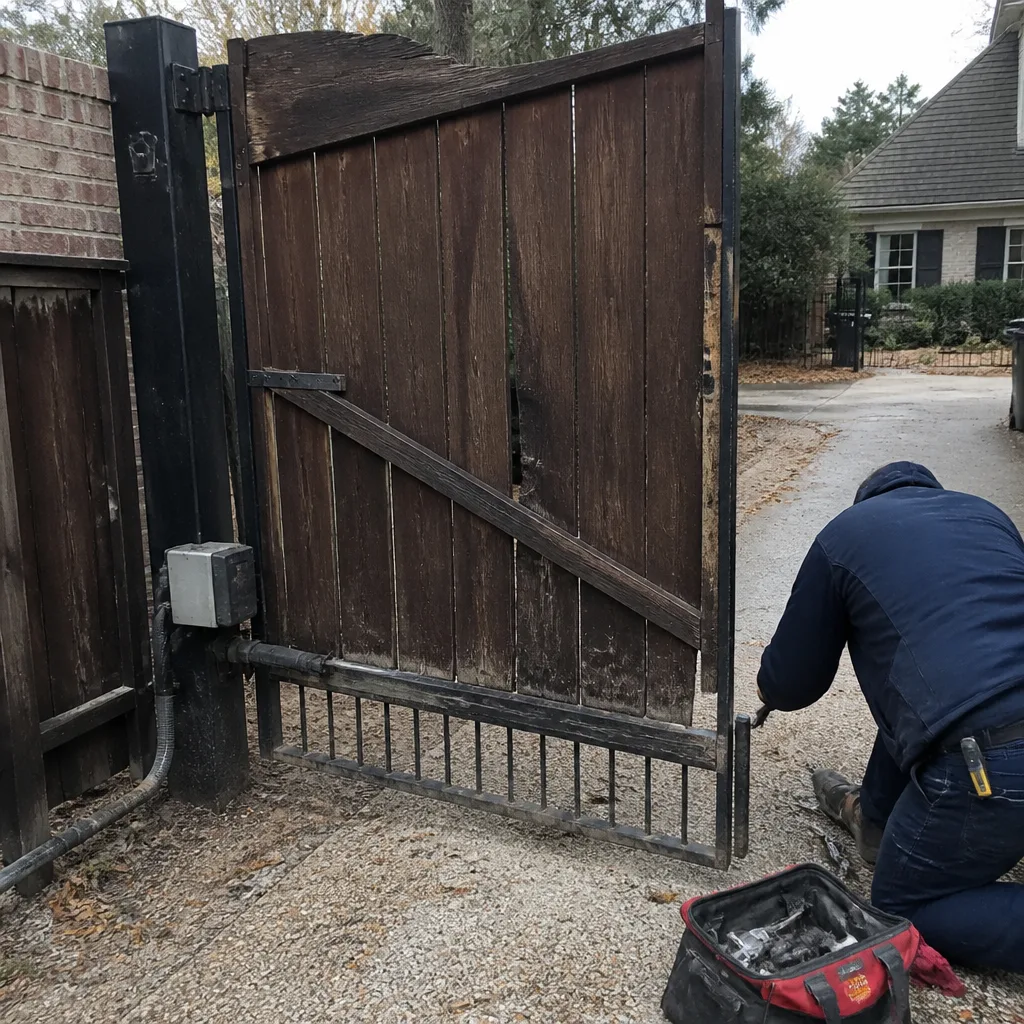 Before
 After
After Before
 After
AfterGate Repair Permits, Codes & Inspections in TX: What You Need to Know
Here is something most Texas homeowners do not realize until the inspector is standing in their driveway: the gate itself rarely needs a permit, but the concrete that holds the post, the wire feeding the motor, and the sensor that keeps the gate from crushing a car often do. That disconnect leads more people into trouble than any single part of the gate. This guide walks through what actually requires a permit in Texas, which codes govern the work, when an inspection is triggered, and what it all costs here in McKinney. By the end, you will know exactly what to ask before a single post hole gets dug.
Quick Answer
In most Texas cities, including McKinney, repairing an existing gate usually requires no permit, but installing a new gate or adding an opener, access controls, or new concrete footings often does. The governing rules come from a patchwork of city code, National Electrical Code (NEC) requirements for the motor feed, and UL 325 safety standards for automatic gates. When in doubt, ask the city first.
Table of Contents
- Do I Need a Permit to Repair or Replace a Gate in Texas?
- What Codes Govern Gate Work in Texas?
- UL 325: The Safety Standard You’ve Never Heard Of
- McKinney-Specific Requirements You Should Know
- The Permit Process, Step by Step
- What Inspections Actually Cost in McKinney
- HOA Rules Can Be Stricter Than City Code
- Common Mistakes to Avoid
- When to Call a Professional
- Frequently Asked Questions
- The Bottom Line
Do I Need a Permit to Repair or Replace a Gate in Texas?
Texas does not have a single statewide gate permit rule. The state leaves most building regulation to the municipalities, so what flies in Prosper may not fly in Plano, and what Frisco wants is not always what McKinney wants. That said, there is a pattern that holds true across nearly every city in Collin County.
Repairs almost never require a permit. Replacing a hinge, welding a cracked weld, swapping out a wheel, adjusting the opener, or replacing a control board does not change the structure or the electrical feed, so the city has no interest. You can do that work any day of the week without calling City Hall.
New installations are a different story. When you pour a concrete footing for a new post, run a new electrical circuit to a gate operator, or change the gate from manual to automatic, you are doing work that appears in city code books. In McKinney, a new driveway gate with an automatic opener typically requires two things: a building permit for the structure and an electrical permit for the power feed. Some projects also need a concrete permit if the slab or footing exceeds a certain size.
Here is the short version of what typically requires a permit in the McKinney area:
- Full gate installation - yes, building and often electrical permits
- Adding an automatic opener to an existing manual gate - yes, the electrical feed triggers a permit
- New keypad, intercom, or access control system - yes, if it requires new low-voltage runs through walls or underground conduit
- Replacing a gate motor with a like-for-like unit - usually no, unless the circuit is being modified
- Replacing hinges, wheels, or a damaged post - no, unless the post footing is being re-poured
- Welding a broken picket or frame member - no permit, but it should be done by someone who welds for a living
We have seen homeowners in McKinney tear out an old wooden farm gate, install a steel estate gate, and never think to ask about permits until the HOA or a neighbor asks to see the paperwork. By then the concrete is cured and the city wants to see evidence of the work, which usually means exposing things that were already buried. It is cheaper to ask first.
What Codes Govern Gate Work in Texas?
Three layers of rules apply to almost every automatic gate in Texas, and nearly no one outside the trade knows about all three. The first is the city’s adopted building code, which in McKinney is the International Residential Code (IRC) with local amendments. The second is the National Electrical Code (NEC), which governs how the motor gets its power. The third, and the one that surprises most homeowners, is UL 325 - a safety standard written specifically for automatic gates.
Building Code: Structure and Setbacks
McKinney’s building code cares about two things on a gate project: whether the gate is structurally sound and whether it sits within the legal building envelope. Gates cannot swing across a public sidewalk or into a city right-of-way. They cannot be so tall or so heavy that the posts fail. And the footings have to be sized for the soil, which in Collin County means accounting for the expansive clay that swells when wet and shrinks when dry. A gate post set in an undersized hole will lean within two years. The code minimum for most residential gate posts in McKinney is a 24-inch deep footing, but a heavy steel gate on a long post should go deeper.
Electrical Code: The Motor Feed
Any gate opener that plugs into household current or is hardwired into a circuit falls under the NEC. That means the circuit needs proper wiring, a GFCI-protected receptacle if it is a plug-in unit, and a buried conduit if the feed runs across the yard. The conduit depth matters: for rigid metal conduit, the NEC requires 6 inches of cover under a 4-inch concrete slab or 18 inches under a yard with no concrete. For PVC conduit, the depth is 18 inches under a slab or 24 inches in open ground. Shortcuts here are common, and they are one of the first things an inspector checks.
Local Amendments
McKinney adopts the IRC and NEC with a handful of local amendments. Most amendments deal with administrative items, but it is worth verifying current requirements before pulling a permit. The city’s building inspections department is straightforward to work with if you call before you dig.
UL 325: The Safety Standard You’ve Never Heard Of
UL 325 is the standard that automatic gates must meet to legally operate anywhere in the United States. It exists because automatic gates are heavy machines, and a gate that closes when it should not close can hurt a person or crush a vehicle. The standard comes from Underwriters Laboratories and has been law in most jurisdictions since 2000.
The core of UL 325 is this: an automatic gate must detect an obstruction and reverse, stop, or otherwise yield when a person or object enters the gate’s path. Specifically, the standard requires entrapment protection in four zones:
- Leading edge - the gate must reverse if it hits something while closing
- Pinch points - the zones where the gate moves near a post or wall must be protected
- Open and close cycle - the gate cannot move in a way that creates a crush hazard
- Driver controls - the opener must have a safety-compliant control that requires deliberate activation
Every gate opener sold by a legitimate manufacturer, including LiftMaster, Mighty Mule, FAAC, and BFT, ships with UL 325-compliant safety features when installed to spec. The problem is the “when installed to spec” part. We regularly see gates in McKinney neighborhoods like Stonebridge Ranch and Craig Ranch where someone installed a beautiful opener and skipped the photo-eye sensors or wired the reversing loop incorrectly. Those gates are not compliant, and worse, they are not safe. A UL 325-compliant gate should stop and reverse if a child, a dog, or a car bumper is in the way. If yours does not, that is a repair priority, not a formatting issue.
McKinney-Specific Requirements You Should Know
McKinney sits in Collin County, and the city’s building inspections division handles permit applications, plan reviews (when required), and field inspections for most residential gate projects. The process is online through the city’s permit portal, and for a standard residential gate project, the turnaround is usually fast.
Some things we have learned from working in McKinney for over a decade:
First, the soil is real. The black clay in this part of Collin County expands and contracts enough to move concrete. A gate post set in a shallow hole or with too little concrete will lean, and when it leans, the gate sags and binds. The IRC minimum for a gate post footing catches most fence posts, but a heavy sliding gate on a steel track needs more. We pour footings a minimum of 36 inches deep for estate gates, and we size the concrete volume to the gate’s actual weight, not the catalog estimate.
Second, the freeze-thaw cycle here is mild but not nonexistent. North Texas sees enough overnight freezes each winter that water in conduit or voids in concrete can crack things. Proper drainage around the post base and sealed electrical connections matter, even in a place where most people think of summer as the only season.
Third, many McKinney subdivisions have front-yard setback rules that affect where a gate can sit. The gate typically has to sit behind the city’s required front-yard setback line, not at the property line. Pouring footings too far forward will get flagged during inspection, and moving a poured footing is expensive.
The Permit Process, Step by Step
Here is the process we walk through on almost every permitted gate installation in McKinney. It is straightforward if you follow it in order.
- Verify whether the project needs a permit. Call McKinney’s building inspections department or check the city’s permit portal. Describe the scope honestly: new gate, new opener, new footing, or repair. If the work is repair-only, you are often done here.
- Prepare the permit application. For a new gate with an opener, you will need a basic site plan showing where the gate sits on the property, the setback distance from the front lot line, and the location of the electrical feed. You may need a spec sheet for the opener if it is a hardwired unit.
- Submit and pay the fee. McKinney’s permit fees for residential gate projects are modest compared to the cost of the gate itself. Most gate permits in the area run between $75 and $250, depending on the scope and whether it includes an electrical component.
- Complete the work in the permitted sequence. Footings get poured and inspected before the gate is hung, if the city requires a footing inspection. Electrical rough-in gets inspected before the circuit is buried or covered. The final inspection happens when the gate is operational.
- Schedule and pass inspections. McKinney inspectors are professional and practical. They want to see footings at depth, conduit at depth, UL 325 safety devices installed, and the gate operating correctly through a full open-close cycle.
- Close out the permit. Once the final inspection passes, the permit is closed and the work is officially on record. That record matters when you sell the home.
What Inspections Actually Cost in McKinney
Most homeowners are surprised by how little the permit and inspection fees are compared to the gate itself. The surprise usually comes from something else: what happens when there is no permit and the city finds out. Here is a realistic range for McKinney and the surrounding Collin County area.
| Item | Typical Cost in McKinney |
|---|---|
| Building permit for a new gate (no electrical) | $75-$150 |
| Electrical permit for opener feed | $50-$100 |
| Combined permit for gate + opener | $125-$250 |
| Re-inspection fee (if first inspection fails) | $50-$75 |
| Penalty for work done without a required permit | Up to double the standard permit fee |
| Expedited plan review (if available) | Varies, usually $100-$200 |
The fees are not the expensive part. The expensive part is correcting unpermitted work. If a footing was poured too shallow, the fix means cutting out the concrete, digging deeper, re-pouring, and re-hanging the gate. That can run into the thousands. The permit fee is cheap insurance against a much larger invoice later.
HOA Rules Can Be Stricter Than City Code
McKinney is heavily HOA-managed. Stonebridge Ranch, Craig Ranch, Adriatica, Trinity Falls, Tucker Hill - nearly every sizable neighborhood has an architectural control committee, and most of them have written rules about gates. HOAs do not issue building permits, but they can and do require their own approval before you install or substantially alter a gate.
Typical HOA gate rules cover:
- Gate material and finish (wrought iron, steel, wood, or composite)
- Gate height limits, often 6 feet for side gates and 8 feet for driveway gates with exceptions
- Color palette, which is usually written into the community’s architecture guidelines
- Setback from the street and from the neighbor’s property line
- Whether automatic openers are allowed, and if so, what types of safety devices are required
- Lighting on or near the gate, which may require a photometric review in some communities
We have seen HOAs in McKinney deny a gate plan for reasons the city never would. A black steel gate that the city approves without a second thought can still fail HOA review because the finish is the wrong shade or the picket style does not match the neighborhood’s master plan. The order of operations should always be: HOA first, then city permit. Reversing that order leads to wasted plans and wasted fees.
Common Mistakes to Avoid
- Skipping the permit on a new opener. The gate itself may not need a permit, but the new circuit often does. If the city finds out later, you will pay a penalty and possibly need to expose the work for inspection.
- Setting posts in shallow concrete. In McKinney’s expansive clay soil, a 24-inch footing is the bare minimum. For a heavy steel gate, go deeper. A leaning post is a structural failure waiting to happen.
- Burying electrical conduit too shallow. The NEC depth requirements exist for a reason. A shovel, an aerator, or even a heavy lawnmower wheel can damage a shallow run.
- Skipping the UL 325 photo eyes or reversing loop. This is the most common and most dangerous shortcut. The sensors are not optional accessories. They are the difference between a gate that stops and a gate that does not.
- Placing the gate in the front-yard setback. The gate needs to sit behind the setback line in most McKinney subdivisions. If you pour footings in the wrong place, you will be moving them.
- Ignoring the HOA until the gate is already installed. Cities and HOAs have different rules, and HOA disapproval is not something a city inspector will help you with.
- Using a general handyman for a structural or electrical gate job. Gate work is a weird mix of structural welding, mechanical adjustment, and electrical work. A person who is good at one of those may not be good at the other two, and the gate is unforgiving about all three.
When to Call a Professional
A gate that opens and closes by hand and just needs a new hinge is a reasonable DIY job for someone who owns a drill and a level. Most other things are not. If the gate is automatic, if the motor is hardwired, if a post is leaning, if the gate is sagging, if the safety sensors are not working, or if the gate weighs more than a few hundred pounds, call someone who does this work every day. The difference between a gate that works for one year and a gate that works for twenty is almost always the quality of the footing, the quality of the weld, and the quality of the opener installation - three things that are expensive to redo. Ironworks Gate Co. home offers free estimates in McKinney, and we will tell you honestly whether a permit is needed before any work starts. Call (430) 226-4507.
Frequently Asked Questions
In most cases, no. Replacing hinges, welding a crack, adjusting the opener, or swapping a control board does not require a permit in McKinney because the work does not change the structure or the electrical feed. If the repair involves re-pouring a post footing or modifying the electrical circuit, a permit may be required. Call McKinney’s building inspections department or ask your gate contractor before starting.
Most residential gate permits in McKinney run between $75 and $250, depending on whether the project includes an electrical component for an automatic opener. The number is small compared to the cost of fixing unpermitted work, which can run into the thousands if footings or conduit need to be exposed and corrected. Call (430) 226-4507 and we will help you determine what applies to your project.
UL 325 is the national safety standard for automatic gates, and yes, any automatic gate in Texas needs to comply. It requires entrapment protection on the gate’s leading edge, at pinch points, and around the drive controls, typically accomplished with photo eyes, reversing loops, and safety edges. A compliant gate stops and reverses if something is in its path. If yours does not, it needs attention.
Three main codes apply: the city-adopted International Residential Code for structure and setbacks, the National Electrical Code for the motor’s electrical feed, and UL 325 for automatic gate safety. McKinney adopts these with local amendments, so checking with the city’s building inspections department is the safest way to know current requirements.
Yes, and often more strictly than the city. Many McKinney neighborhoods, including Stonebridge Ranch and Craig Ranch, have architectural control committees with written rules about gate materials, colors, heights, setbacks, and whether automatic openers are allowed. Always get HOA approval before pulling a city permit for a new gate.
Usually yes. McKinney’s inspection scheduling is efficient, and for a straightforward residential gate with a footing inspection and a final inspection, the whole process can often be completed within a few business days. Weather delays and re-inspections are the most common reasons for longer timelines. Call (430) 226-4507 for help scheduling your gate work around the inspection calendar.
The Bottom Line
The rules around gate repair, permits, codes, and inspections in Texas are not complicated once you know which questions to ask. Repairs are mostly unregulated. New installations and automatic openers usually need a permit. UL 325 safety compliance is not optional. McKinney soil, McKinney HOAs, and McKinney setback rules all shape where a gate can go and how it needs to be built. Ask the HOA first, the city second, and hire someone who does gate work specifically. The permit fees are small. The cost of getting it wrong is not.
Written by Victor Salinas, Owner at Ironworks Gate Co., serving McKinney since 2013.